

By Michael Young
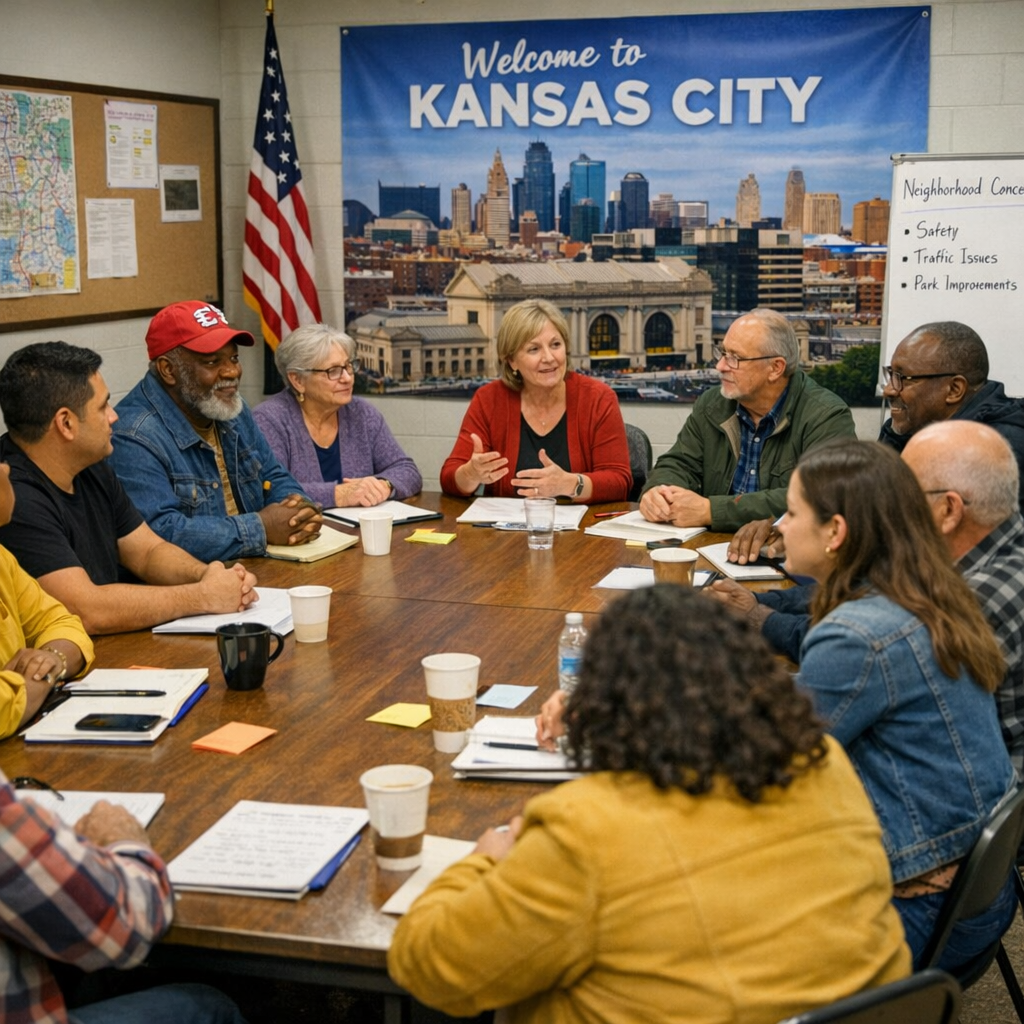
Kansas City is more than its skyline, barbecues, or sports teams. It’s built of people—neighbors walking dogs, parents knocking doors of schools, business owners plugging away in little storefronts. And yet, too often, decisions that affect every corner of our city happen without hearing from all who live here.
Why resident feedback matters
The city conducts a “resident survey” every year, asking folks about things like safety, schools, and whether tax dollars are doing what they should. The results show many residents feel let down: fewer than half rate the overall quality of services delivered by city government favorably, and even fewer feel the value they get for taxes is high. There’s real dissatisfaction—but those same people have ideas, energy, and local insight that too often go uncounted.
Voices being heard already
We’re seeing lights of hope. At public budget hearings, KC workers and regular residents raise concerns about transit funding, arts support, and wages. Local grassroots activists are pushing for safe green spaces, better mental health programming, and stronger school systems. These aren’t abstract policy debates—they’re stories of where people live, learn, and raise families.
Barriers that silence neighborhoods
Still, many neighborhoods remain underheard. Barriers include limited access to meetings, language or mobility challenges, and a perception that “whoever shouts loudest” gets attention—while smaller, quieter neighborhoods fade from view. When we rely only on formal processes or large group input, we can miss the daily struggles: sidewalk repairs, school lunch quality, or consistent transit service.
What could change—what you can do
1. More flexible channels: neighborhood forums, mobile pop-ups, translated materials, even listening sessions in homes of those who rarely attend City Hall.
2. Prioritize equity: focus on zones east of Troost, Westside, or areas with underinvestment. Ensure voices from these areas shape policies equally.
3. Transparency about impact: when decisions are made, clear communication back to the community—what was heard, how it was used, and what came next.
Invitation
I invite every Kansas Citian—on both sides of the tracks, downtown or in the farthest neighborhood—to share your story. You know what needs fixing in your block, your school, your business strip. If we collect enough of those stories, we build a better future together. Whether through a conversation, an email, a note at a meeting, or just telling a neighbor—your voice counts.