

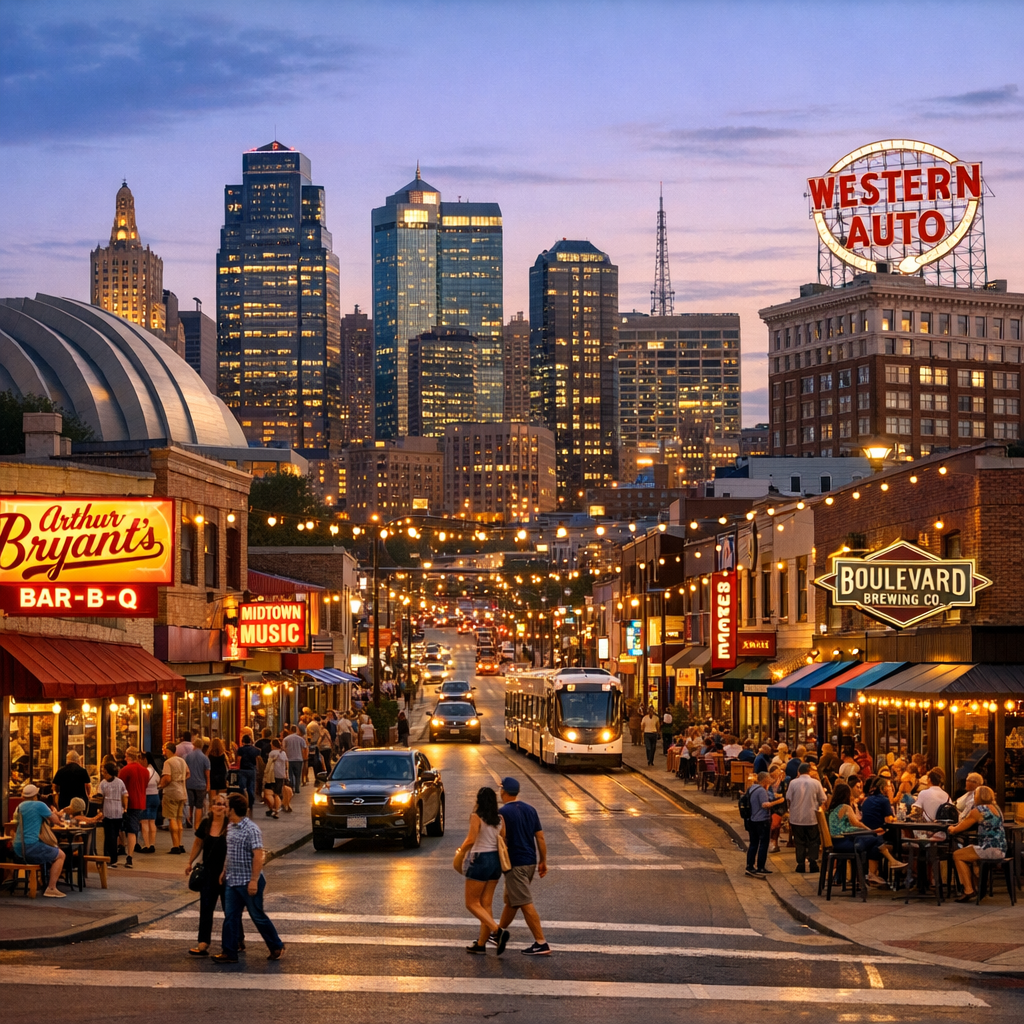
Kansas City, Missouri, is experiencing a dynamic economic transformation characterized by population growth, entrepreneurial support, and community-driven initiatives. This evolution reflects the city’s commitment to fostering a vibrant business environment and enhancing the quality of life for its residents.
Population Growth and Economic Impact
Recent data indicates a steady increase in Kansas City’s population. As of July 2025, the city had an estimated 521,220 residents, marking an increase of over 13,000 people since 2020. This growth underscores the city’s appeal and the effectiveness of initiatives aimed at creating a safer, dynamic, and affordable urban environment.
In the Northland region, cities like Parkville and North Kansas City have experienced significant population increases of 22% and 23%, respectively, over the past five years. Factors contributing to this surge include new developments, business expansions, and the attractiveness of local school districts.
Entrepreneurial Support and Innovation
Kansas City has established robust support systems for entrepreneurs and small businesses. Programs like LaunchKC invest over $1 million annually in high-growth startups, offering $60,000 in funding along with access to essential support services. Since its inception in 2015, LaunchKC has supported 137 portfolio companies, created 1,640 jobs, and facilitated $652 million in follow-on capital.
The Economic Development Corporation of Kansas City (EDCKC) plays a pivotal role in fostering entrepreneurship through initiatives such as the Small Business Capital Access Program and the EDC Loan Corporation. These programs provide capital-readiness support, startup funding, and loans to help small businesses grow and create jobs.
Community-Driven Economic Initiatives
Community organizations are actively contributing to economic mobility in historically underserved areas. The Community Capital Fund, with support from the Ewing Marion Kauffman Foundation, launched the Rooted Change Fund to support grassroots organizations. Eligible applicants can request up to $50,000 for one-year projects or $100,000 for two-year projects aimed at job creation, entrepreneurship, skill-building, and financial assistance.
Additionally, the Social Venture Studio, recognized for advancing economic equity through inclusive innovation, supports mission-driven businesses in Kansas City. Since 2024, the program has successfully graduated 28 companies, reflecting its positive impact on the community.
Infrastructure and Development Projects
Significant infrastructure projects are contributing to Kansas City’s economic vitality. The new terminal at Kansas City International Airport (MCI), opened in 2023, has become a welcoming hub for the metro area. A study commissioned by the Kansas City Aviation Department revealed that MCI generates over $6 billion in total economic output, directly or indirectly creating nearly 40,000 jobs with a total payroll of $1.8 billion.
In the Historic Northeast, a transformative $180 million redevelopment project is set to revitalize 22 neglected acres. The development will include a 29,000-square-foot public market, a business incubator, and low-income housing, addressing longstanding underinvestment in the city’s East Side.
Similarly, the West Bottoms area is undergoing a massive $527 million redevelopment. Spearheaded by New York-based SomeraRoad, the five-phase project will introduce over 1,200 new apartments, infrastructure improvements, and commercial spaces over the next 10–15 years.
Challenges and Adaptations
Despite the positive momentum, certain sectors face challenges. The craft brewery industry in Missouri experienced a downturn in 2025, with the number of craft breweries decreasing from 181 in 2024 to 170 in 2025, and production falling from over 297,000 barrels to approximately 284,000 barrels. This trend has prompted brewers to reevaluate their business strategies, with some expanding into non-beer beverages.
Additionally, increased immigration enforcement actions have led Kansas City businesses to prepare staff for potential encounters with Immigration and Customs Enforcement (ICE). Businesses are partnering with community organizations to deliver “Know Your Rights” training, focusing on workers’ constitutional rights and de-escalation strategies.
Overall, Kansas City’s economic landscape is marked by growth, innovation, and community engagement. The city’s proactive approach to supporting entrepreneurs, investing in infrastructure, and addressing challenges positions it as a dynamic and resilient urban center.